

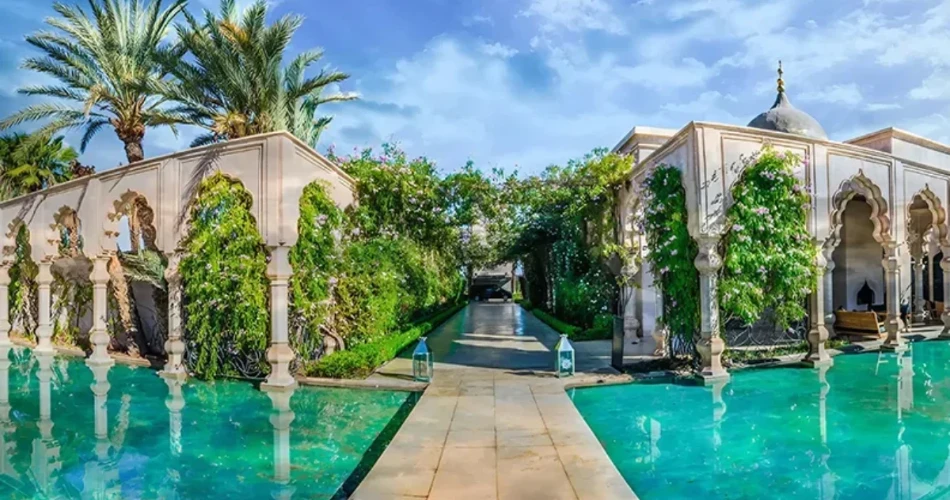
Explore the vibrant souks, historic palaces, and cultural landmarks that create a fascinating tapestry in Marrakech — a city where ancient traditions blend seamlessly with modern energy. The aroma of spices, freshly baked bread, and grilled meats fills the air as you wander through the Medina’s maze-like streets, transporting you to a world that feels both exotic and welcoming. Every corner reveals a story, from the magnificent Bahia Palace with its intricate courtyards and lush gardens to the bustling Jemaa el-Fna Square, where food vendors, musicians, storytellers, and performers bring the city to life after sunset.
Marrakech offers a wonderful mix of iconic attractions and lesser-known treasures for travelers eager to explore. Discover the serene beauty of Jardin Majorelle, once owned by legendary designer Yves Saint Laurent, or admire the peaceful Menara Gardens where reflections of the Atlas Mountains shimmer across the water. Whether you seek history, culture, architecture, or relaxation, Marrakech promises unforgettable experiences.
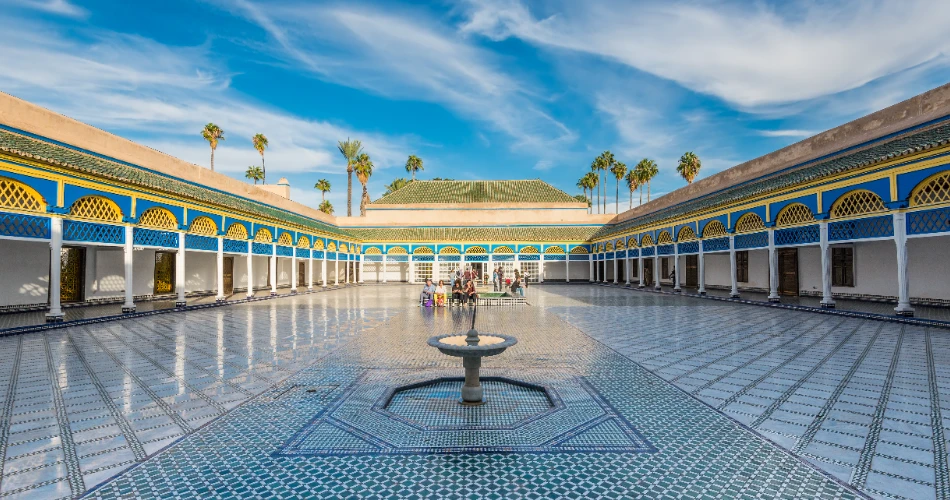
Often referred to as the “Palace of the Brilliant,” Bahia Palace is a spectacular late-19th-century palace built for Grand Vizier Si Moussa. Covering approximately eight hectares, the complex features stunning courtyards, lush gardens, intricately carved cedar ceilings, colorful mosaics, stained glass, and detailed tilework. Visitors are often captivated by its harmonious blend of Moroccan and Islamic architectural styles. The peaceful atmosphere makes it a welcome escape from Marrakech’s energetic streets.
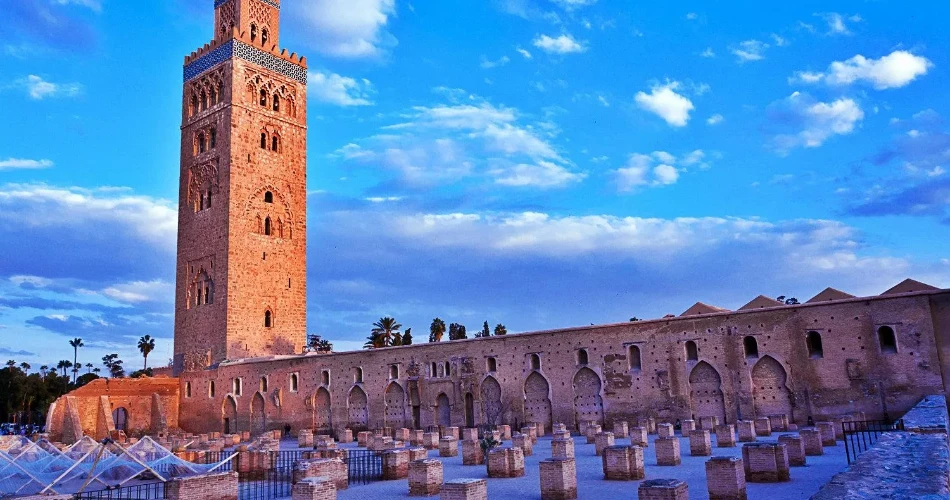
The Koutoubia Mosque, built in the 12th century during the Almohad dynasty, is Marrakech’s most recognizable landmark. Its impressive 77-meter minaret dominates the skyline and inspired other famous structures like the Giralda in Seville. While non-Muslims cannot enter the mosque, visitors can enjoy the surrounding gardens, scenic walkways, and nearby souks that create a lively cultural environment.
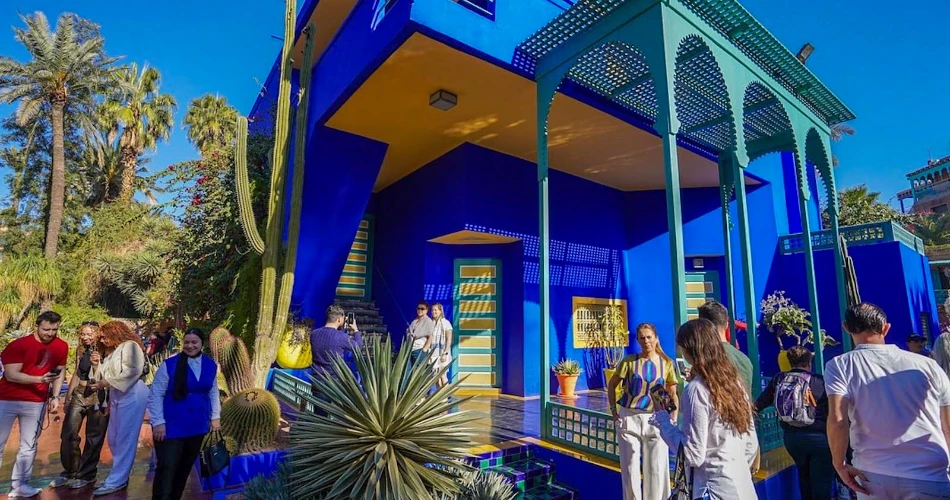
Originally designed in the 1920s by French painter Jacques Majorelle, this botanical garden later became famous after being restored by fashion designer Yves Saint Laurent and Pierre Bergé. The garden features exotic plants from around the world, tranquil water features, bamboo groves, and the iconic cobalt-blue villa known as “Majorelle Blue.” It also houses the Yves Saint Laurent Museum and a café where visitors can relax amid beautiful greenery.
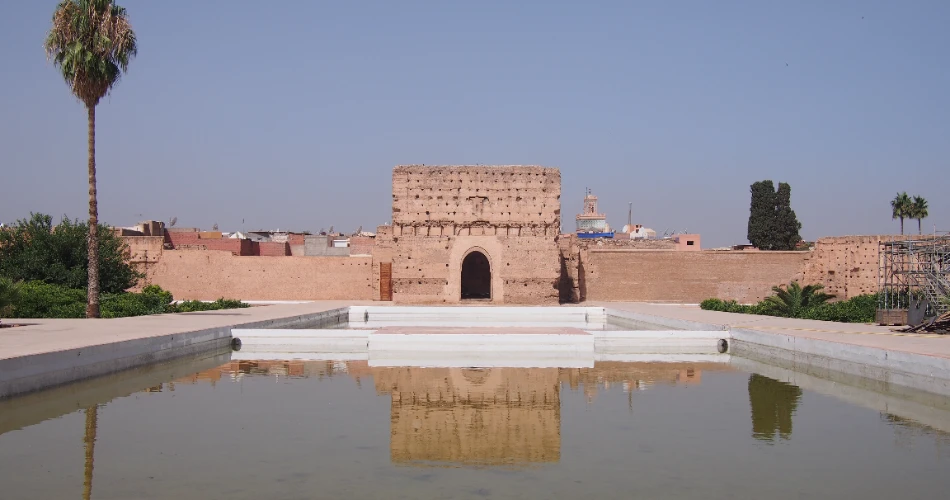
Constructed in the late 16th century by Sultan Ahmad al-Mansur, El Badi Palace was once an extravagant complex decorated with gold, marble, turquoise, and crystal. Though largely in ruins today, the vast courtyards, sunken gardens, reflecting pools, and resident storks create a hauntingly beautiful atmosphere. It offers visitors insight into Morocco’s rich imperial history.
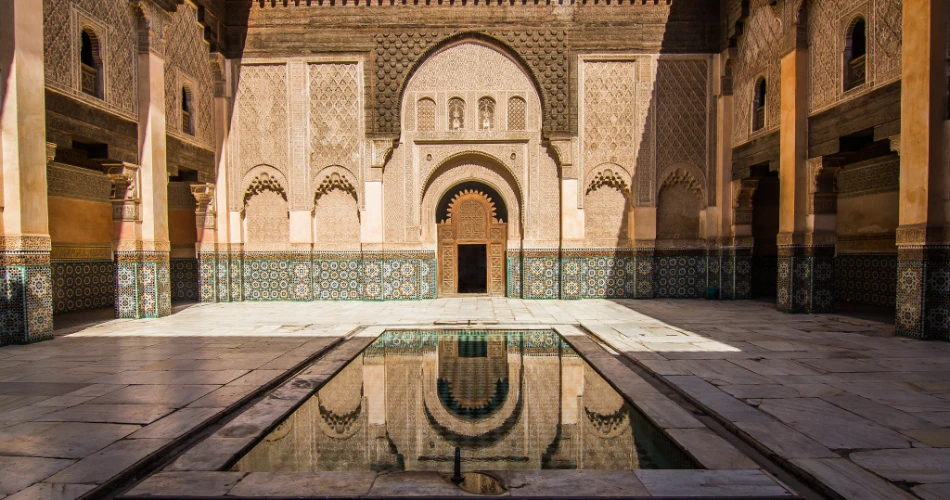
Dating back to the 14th century and rebuilt in the 16th century, Ben Youssef Madrasa was once one of the largest Islamic colleges in North Africa. Known for its extraordinary craftsmanship, the complex features carved cedar wood, elaborate zellige tilework, stucco decorations, and a peaceful central courtyard. It provides a fascinating glimpse into traditional Islamic education and architecture.
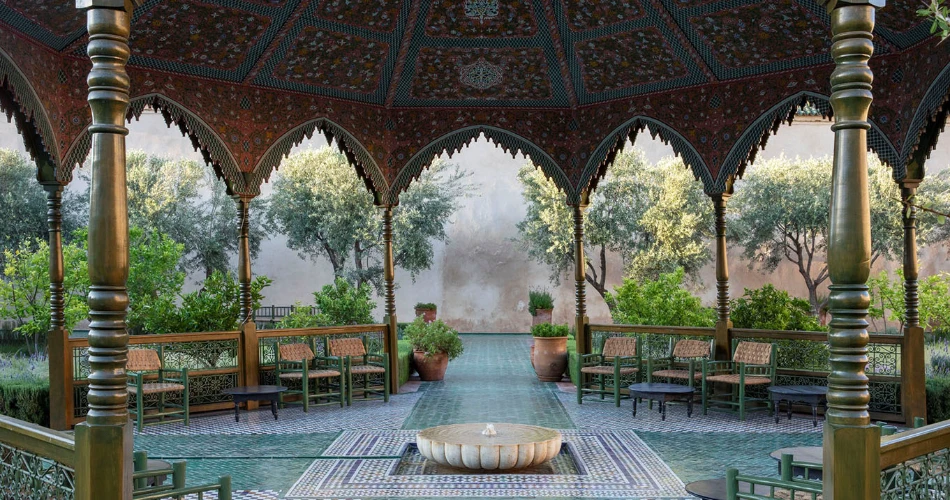
Hidden within the Medina’s Mouassine district, Le Jardin Secret is a beautifully restored historic riad complex. Its traditional Islamic and exotic gardens feature fountains, shaded pathways, and fragrant plants. The site also includes a tower offering panoramic Medina views, making it both peaceful and visually captivating.
Yves Saint Laurent Museum
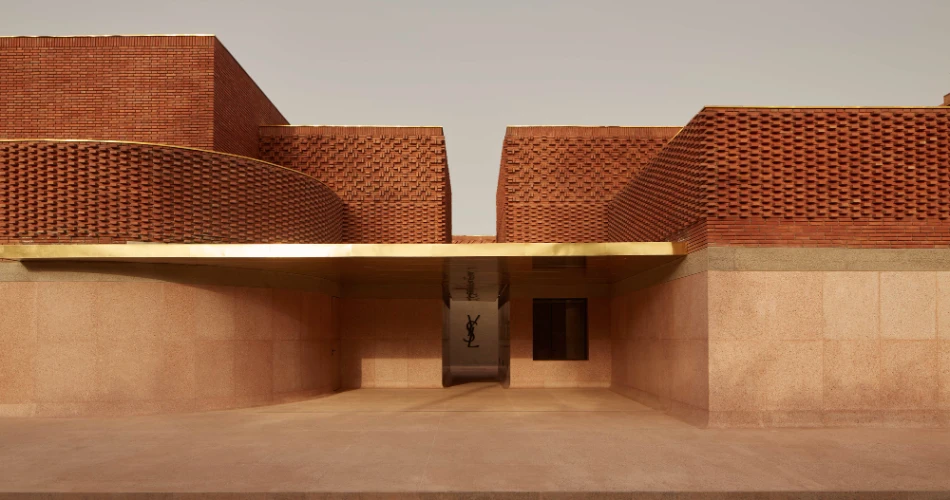
Located near Jardin Majorelle, this museum celebrates the legacy of iconic fashion designer Yves Saint Laurent. Exhibits include original couture pieces, sketches, photographs, and multimedia displays highlighting his artistic journey. The museum also emphasizes Marrakech’s growing reputation as a hub for contemporary art and design.
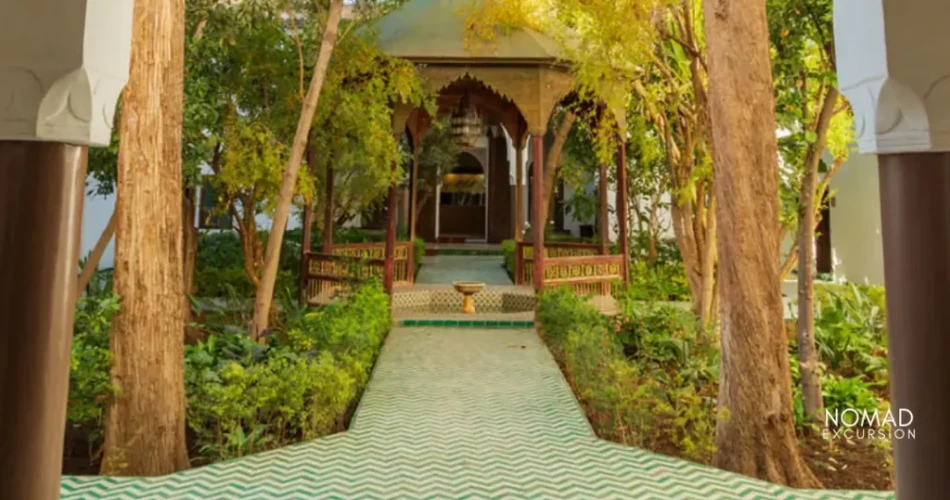
Housed in a 19th-century palace, the Dar Si Said Museum (Museum of Moroccan Arts) showcases Morocco’s rich artisanal heritage. Visitors can admire traditional carpets, intricate woodwork, jewelry, ceramics, textiles, and historic artifacts. The palace itself, with its decorative courtyards and elegant architecture, is part of the attraction.
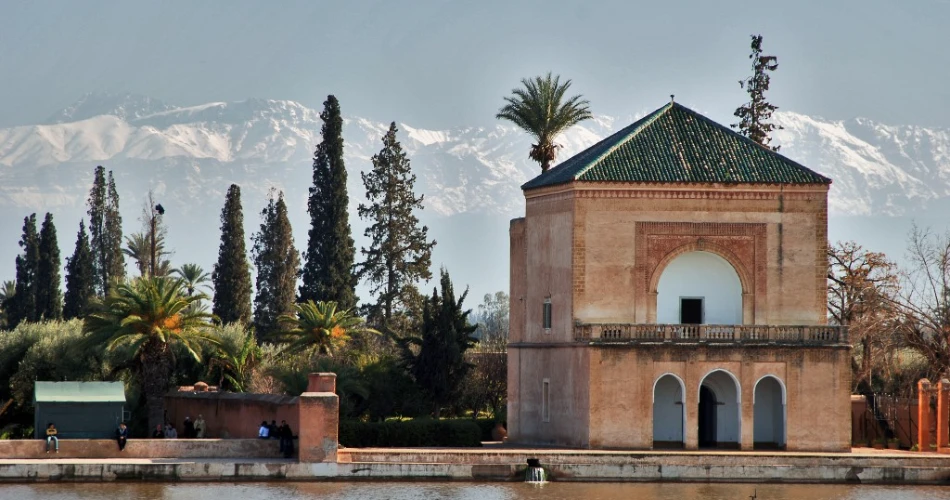
Dating back to the 12th century, Menara Gardens is one of Marrakech’s most iconic green spaces. The large reflecting basin, olive groves, and historic pavilion create a tranquil environment, especially at sunset when the Atlas Mountains reflect in the water. It remains a favorite spot for both locals and visitors seeking relaxation.
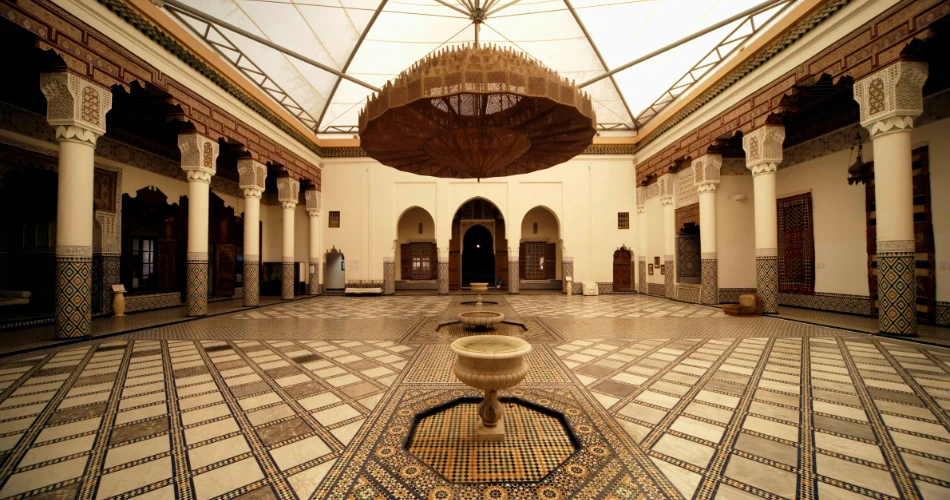
Situated inside the beautifully restored Dar Menebhi Palace, the Marrakech Museum displays a diverse collection of Moroccan art, ceramics, jewelry, coins, and contemporary works. The building itself, with its ornate courtyard, chandeliers, mosaics, and arches, is a masterpiece of Andalusian-Moorish architecture.
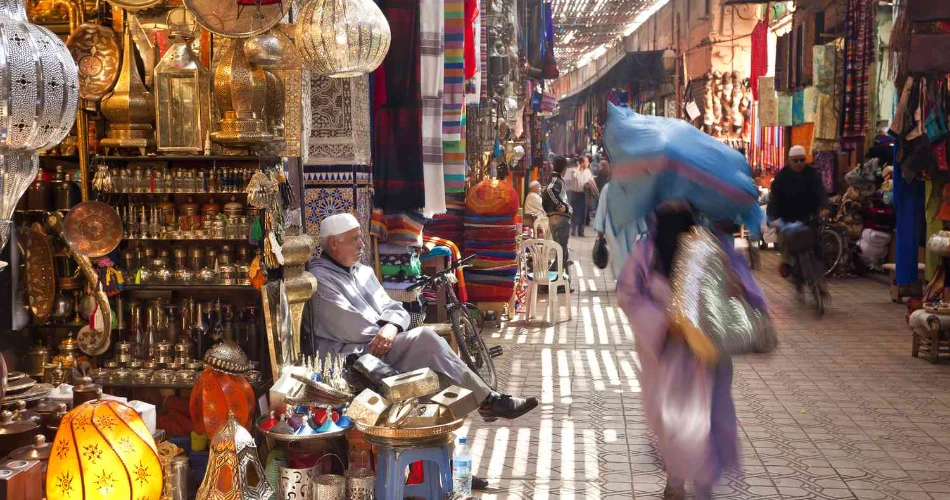
The Medina is Marrakech’s historic heart and a UNESCO World Heritage Site. Its narrow alleys are filled with bustling souks, hammams, traditional riads, street vendors, and artisan workshops. Jemaa el-Fna Square forms the center of activity, especially lively at night with food stalls, performers, and music.
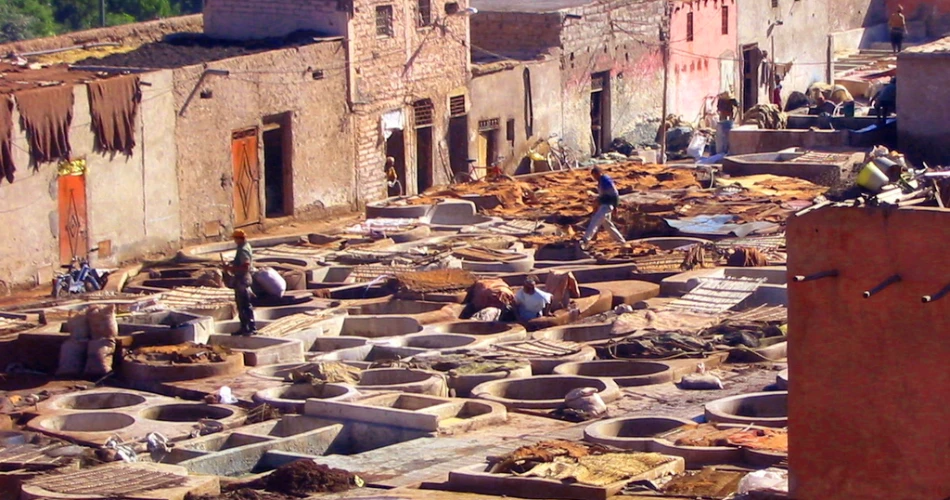
The traditional tanneries provide a fascinating look into centuries-old leather production methods. Visitors can observe artisans working with natural dyes in stone vats. While guides often request tips, the experience offers valuable cultural insight.
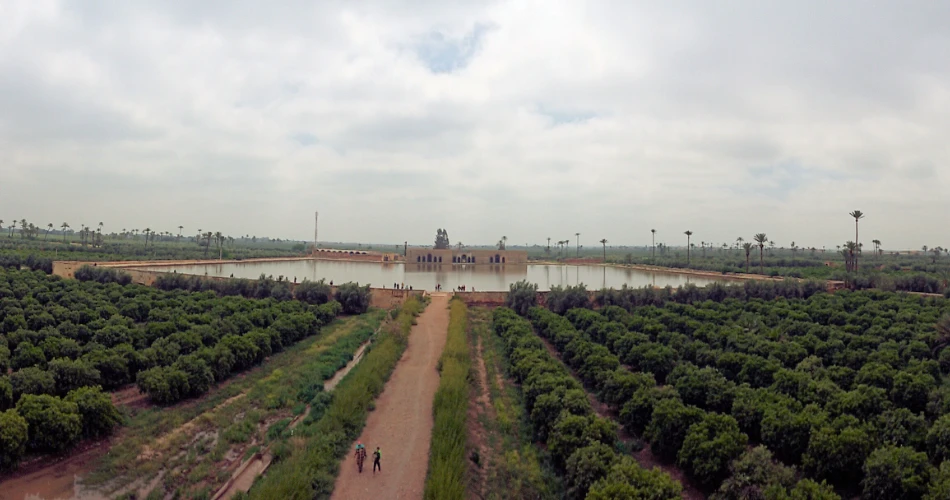
Established during the Almohad period in the 12th century, Agdal Gardens once served as royal orchards. Covering several hundred hectares, the gardens feature olive trees, citrus groves, irrigation basins, and scenic views. They remain an important historical and recreational site.
Mellah (Jewish Quarter)
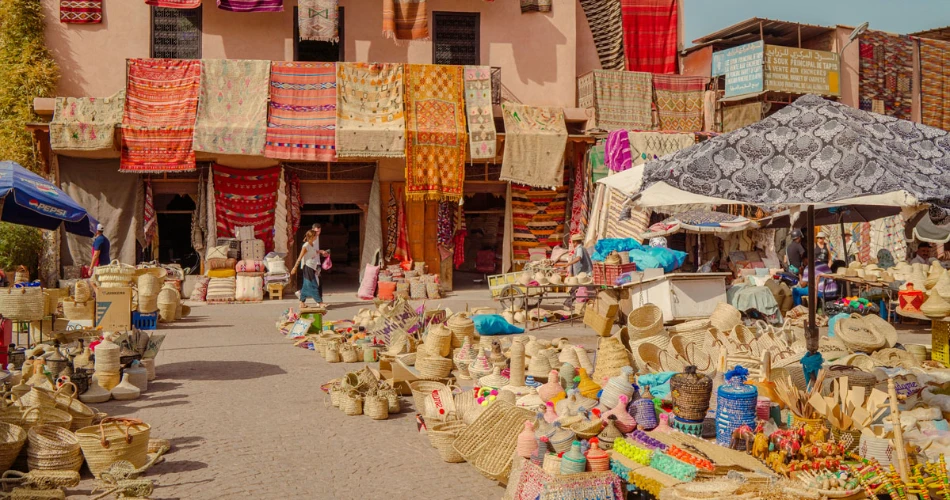
Mellah is Marrakech’s historic Jewish district, characterized by distinctive architecture, synagogues, cemeteries, and lively markets. Notable sites include the Lazama Synagogue and the Miaara Jewish Cemetery, both reflecting Morocco’s multicultural heritage.
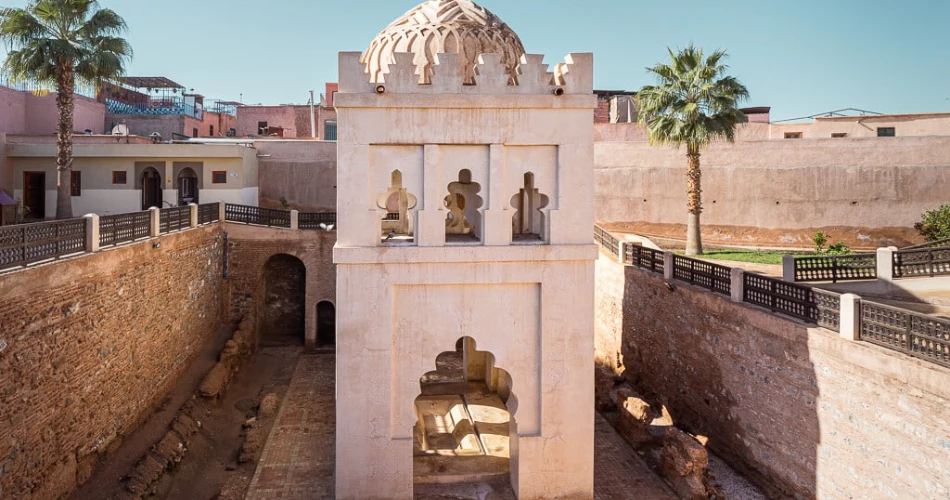
Dating from the 12th century, the Almoravid Koubba is Marrakech’s only surviving Almoravid structure. Originally used for ritual ablutions, it features remarkable architectural details, including carved stone, domes, and early Islamic decorative motifs.
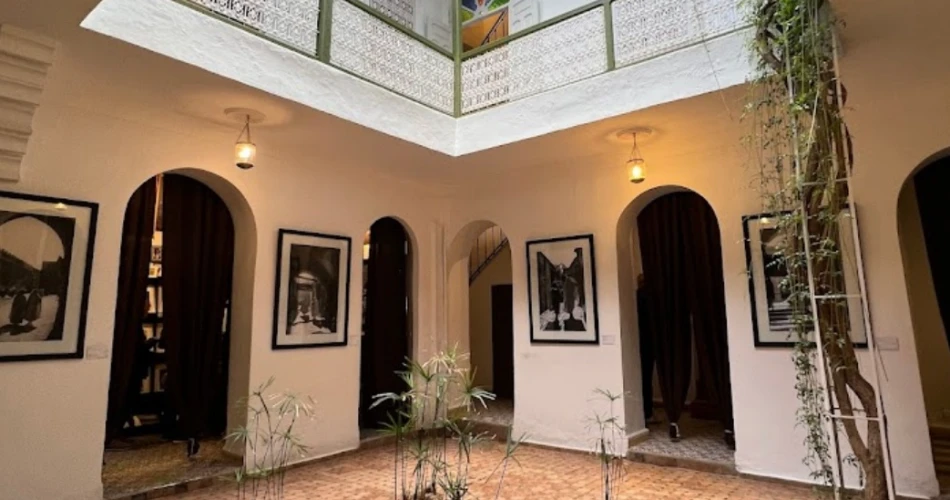
This unique museum houses thousands of photographs, glass plates, and documents capturing Morocco from the late 19th and early 20th centuries. It offers visitors a visual journey into the country’s social, cultural, and architectural past.
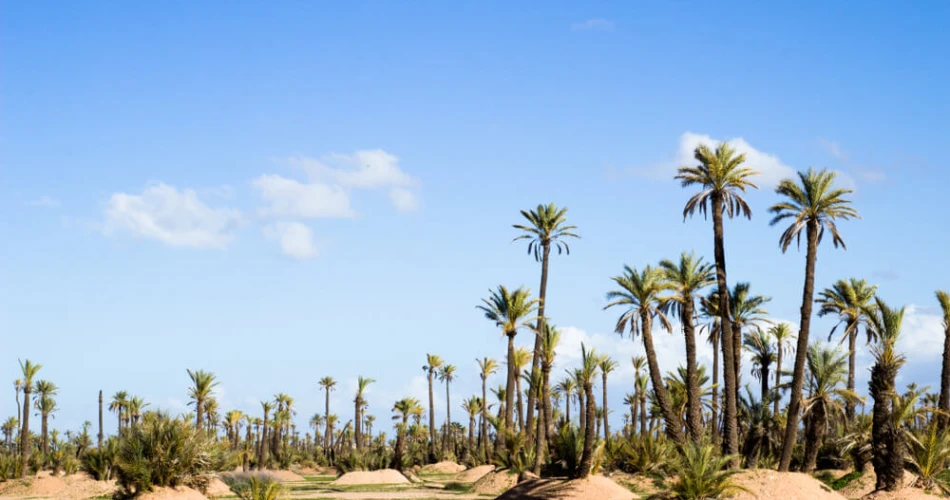
Located just outside Marrakech, Palmeraie is a vast palm oasis stretching across roughly 140 square kilometers. Known for luxury resorts, golf courses, camel rides, and desert scenery, it provides a relaxing contrast to the city’s bustle.
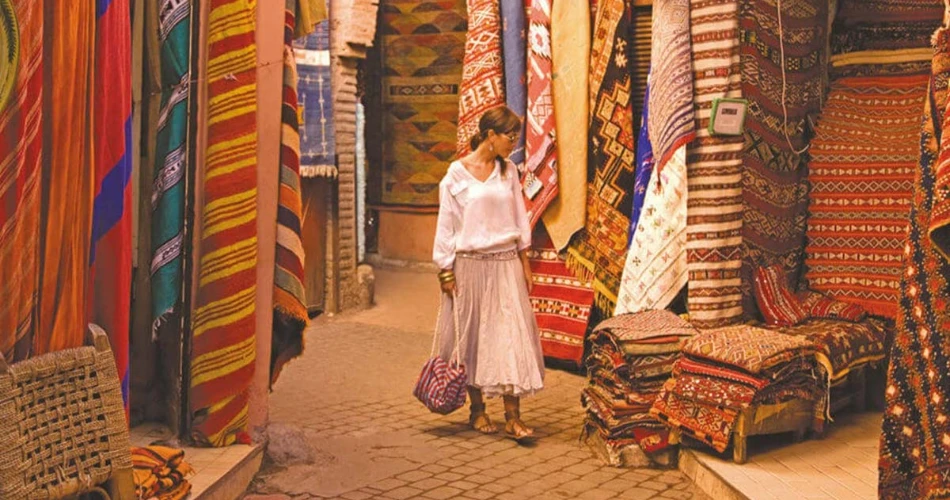
The traditional souks are among Marrakech’s most immersive experiences. Visitors can browse spices, lanterns, textiles, ceramics, leather goods, jewelry, carpets, and handcrafted souvenirs while enjoying authentic Moroccan street food and vibrant cultural interaction.
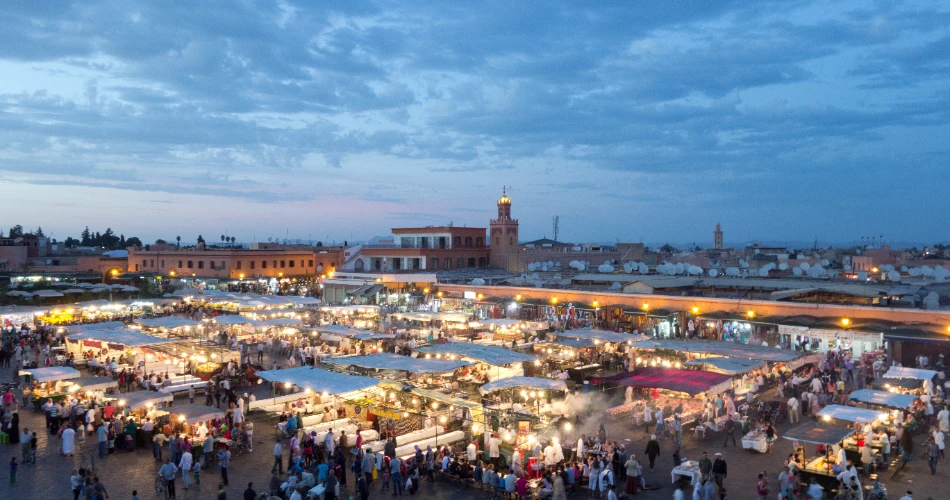
This UNESCO-listed square is the city’s cultural heartbeat. During the day, it hosts juice vendors and market stalls; at night, it transforms into a lively open-air theater with musicians, storytellers, dancers, and food vendors.
Marrakech Train Station
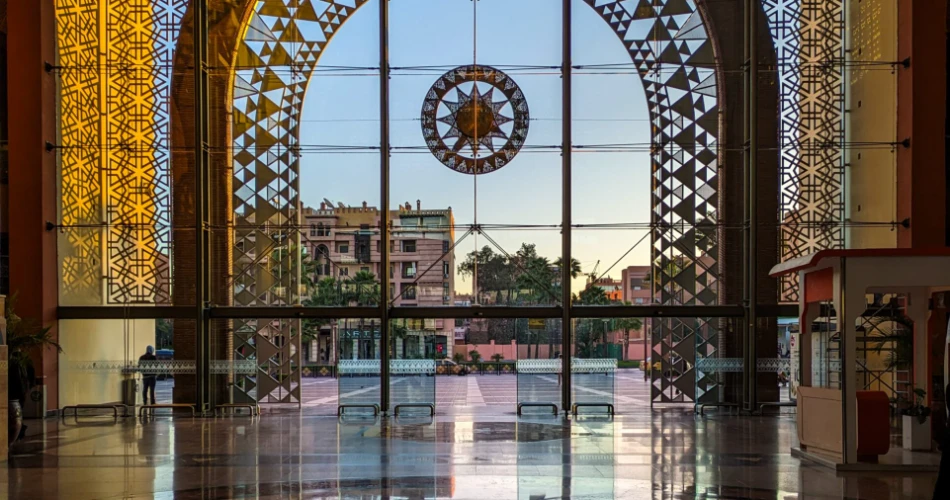
Opened in 2008, Marrakech Train Station blends modern transportation facilities with traditional Moroccan architectural design. Its elegant façade, landscaped surroundings, and nearby parks make it an interesting stop, even for non-travelers.
Stay at Ryad Laârouss in Marrakech’s historic old city — book now near top attractions!